
Describe the property
Send the location, symptoms, equipment and access details. State whether the work is a repair, replacement or planned project.
For plumbing in Wingham, identify whether the request concerns a drain blockage, hidden leak, fixture, water heater or water treatment. If the property uses a well or septic system, include that detail. A responding provider must confirm coverage, the work and availability before a visit.
Get A Free QuoteCompare tank and tankless options using fuel, household demand, space, venting, and water test results where a well supplies the property.
View scopeScope fixture or main-line clearing by affected drains, cleanout access, pipe condition, and whether recurring symptoms warrant camera inspection. Consider septic layout before choosing a method.
View scopeCompare localized repairs with partial or whole-home PEX or copper replacement. Pipe material, access, water interruptions, testing, and required approvals shape the project plan.
View scopeCheck fixture dimensions, connections, and rough-in locations before replacing toilets, faucets, tubs, or laundry fixtures. Moving a fixture may change drain and supply work.
View scopeUse symptom records, site photos, acoustic locating, or sectional pressure testing to plan investigation of hidden leaks in buildings and buried service lines.
View scopeCompare pump capacity, basin, discharge route, battery runtime, and backwater valve location against the property’s water and outage history.
View scopeUse water test results to compare softeners, iron treatment, and filtration. Confirm the target concern, system capacity, installation needs, and maintenance.
View scopeFor a drain problem, record the affected fixtures and whether the property uses a septic system. For water heater work, share the fuel, capacity and vent route. A water treatment request should include the actual supply type and test results. These details help separate the job scopes without assuming that every property has the same plumbing or water conditions.
Compare tank and tankless options using fuel, household demand, space, venting, and water test results where a well supplies the property. Scope fixture or main-line clearing by affected drains, cleanout access, pipe condition, and whether recurring symptoms warrant camera inspection. Consider septic layout before choosing a method. Compare localized repairs with partial or whole-home PEX or copper replacement. Pipe material, access, water interruptions, testing, and required approvals shape the project plan.
Check fixture dimensions, connections, and rough-in locations before replacing toilets, faucets, tubs, or laundry fixtures. Moving a fixture may change drain and supply work. Use symptom records, site photos, acoustic locating, or sectional pressure testing to plan investigation of hidden leaks in buildings and buried service lines.
Compare pump capacity, basin, discharge route, battery runtime, and backwater valve location against the property’s water and outage history. Use water test results to compare softeners, iron treatment, and filtration. Confirm the target concern, system capacity, installation needs, and maintenance.
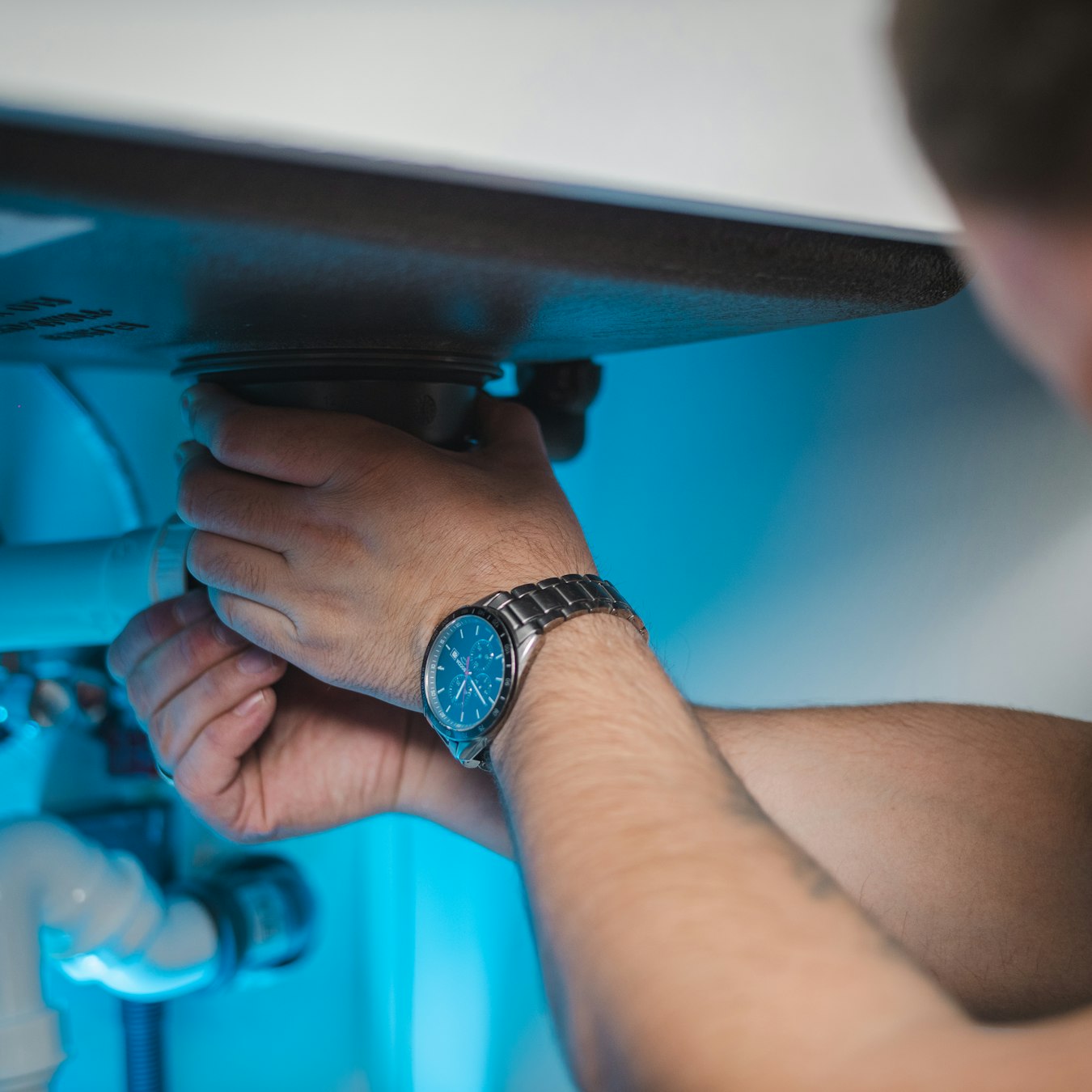
A slow fixture, gurgling toilet, or recurring backup can come from a local blockage or a problem farther along the drain. Before arranging drain cleaning in Wingham, note which fixtures are affected, when symptoms occur, and whether the property drains to a septic system. A camera inspection may help assess a recurring main-line problem, while the appropriate clearing method depends on pipe size, access, and condition. Photos of cleanouts and previous repair records can help clarify the scope.
Explore this serviceSend the location, symptoms, equipment and access details. State whether the work is a repair, replacement or planned project.
The request is reviewed so the responding provider can clarify the work, property access and service coverage.
Agree the provider identity, qualifications, written scope, pricing and visit window directly. Sending a form does not confirm an appointment.
If the building connects to a septic system, identify the cleanout and where the building drain meets the system before work is planned. Aggressive chemicals or inappropriate jetting can create risks for piping or downstream components. Ask which part of the system the proposed work covers and whether a separate septic professional should assess any issue beyond the building drain.
If the property has a well, arrange suitable water testing and share the results when comparing water heater options. Iron, sulphur, hardness, or other measured characteristics may affect maintenance considerations and equipment selection. Ask which test results support a recommendation, what routine upkeep is expected, and whether treatment equipment is a separate part of the proposed work.
If a leak may be under concrete, behind plaster, or along a buried service line, describe the site and provide a simple sketch or photographs. Acoustic equipment and pressure testing suit different investigation conditions, and neither should be treated as a guarantee of an exact location. Ask what evidence supports the proposed opening or excavation and what uncertainty remains.
Ask for the proposed pipe material, route, and scope in writing. PEX and copper have different installation requirements, fittings, and access needs; existing pipe material and the building layout also matter. A clear drawing or marked-up plan can show which branches are replaced, where connections remain, and how future maintenance access will be preserved.
Ask how pump capacity is being matched to the basin, water inflow, lift, and discharge route. If the property has a history of substantial inflow, share dates and observations rather than relying on a general description of the area. Basin dimensions and the existing discharge arrangement affect equipment choice and whether changes to the installation are needed.
Use the form to describe the property, the symptoms and the work requested. For Blyth, Lucknow, Teeswater, Clinton, include your postal code so local coverage can be checked.